Perimenopause is a natural stage in a woman’s life that marks the transition towards menopause. During this time, hormonal fluctuations can cause a range of physical and emotional symptoms, often affecting daily activities, exercise, sleep and overall wellbeing.
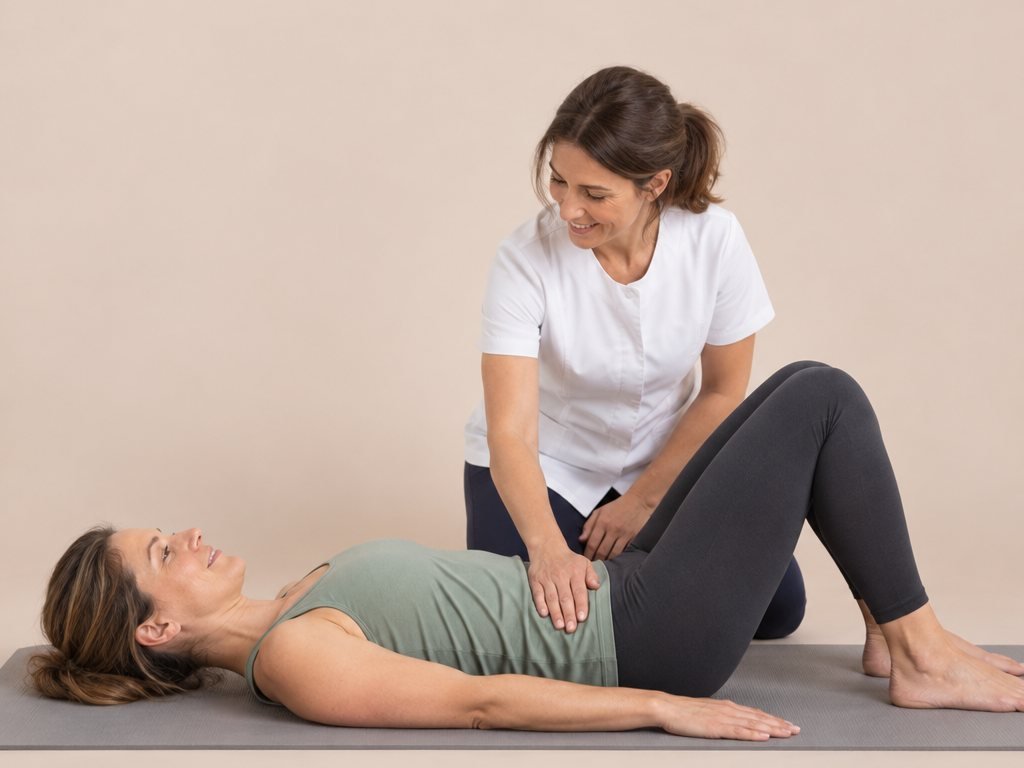
Although perimenopause is a normal biological process, its symptoms can sometimes be challenging to manage. Women’s health physiotherapy can provide valuable support by helping women maintain strength, manage musculoskeletal discomfort and improve pelvic floor health throughout this transition.
What is perimenopause?
Perimenopause refers to the years leading up to menopause, when levels of hormones such as oestrogen and progesterone begin to fluctuate. It commonly begins in a woman’s 40s, although some women experience symptoms earlier.
Perimenopause can last several years before menopause, which is confirmed after 12 consecutive months without a menstrual period.
Common perimenopause symptoms include:
- Irregular menstrual cycles
- Hot flushes and night sweats
- Joint pain and muscle stiffness
- Sleep disturbances and fatigue
- Mood changes and difficulty concentrating
- Urinary leakage or pelvic floor symptoms
- Changes in muscle strength and recovery
Symptoms vary considerably between individuals, and not every woman will experience the same changes.
Managing joint pain and stiffness
Hormonal changes during perimenopause may contribute to increased joint discomfort and muscle stiffness. Physiotherapy can help manage these symptoms through targeted strengthening exercises, mobility work and personalised advice on maintaining physical activity.
Maintaining muscle strength and bone health
As women approach menopause, changes in hormone levels and ageing can contribute to reductions in muscle mass and bone density. Resistance training during perimenopause is particularly beneficial for maintaining strength, supporting bone health and improving long-term physical function.
A physiotherapist can develop an individualised exercise programme appropriate for your current fitness level and goals.
Supporting pelvic floor health
Changes in oestrogen levels can affect the tissues surrounding the bladder, vagina and pelvic floor. Some women experience urinary incontinence, pelvic heaviness or discomfort during intercourse.
Pelvic floor physiotherapy can help assess these symptoms and provide targeted rehabilitation, including strengthening, relaxation exercises and bladder management strategies where appropriate.
Improving confidence in exercise
Fatigue, joint discomfort and changes in physical performance can make exercise feel more challenging. Physiotherapy provides guidance on adapting activities, managing symptoms and maintaining a consistent exercise routine.
When should you seek support?
If perimenopause symptoms are affecting your daily activities, exercise or quality of life, seeking professional advice can be beneficial. Physiotherapy can complement other menopause treatments, including lifestyle advice and hormone replacement therapy (HRT), where appropriate.
Perimenopause and menopause physio at Women’s Health Cheshire
We offer a comprehensive pelvic health assessment for women who are perimenopausal or menopausal, whether you have symptoms now or want to minimise the risk of them in future, with advice and exercise tailored to your needs.