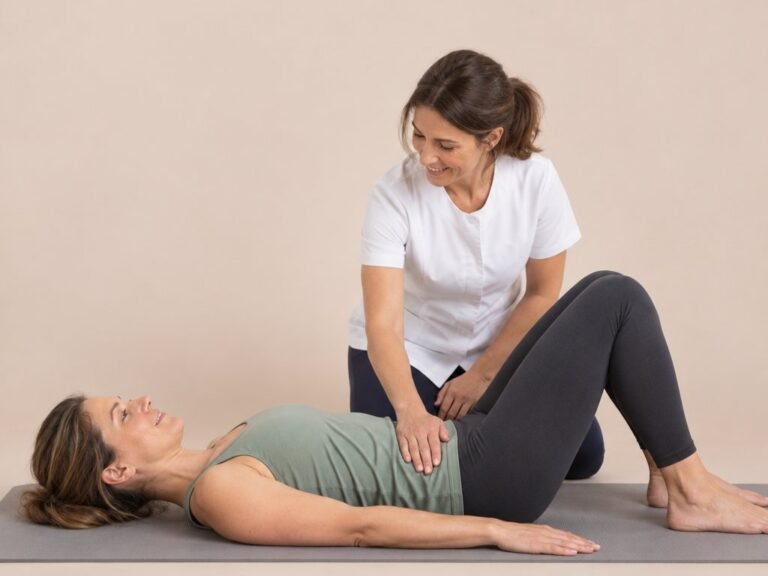
Menopause is a natural stage in a woman’s life, but the physical and hormonal changes associated with it can significantly affect everyday activities, exercise and overall wellbeing. From joint pain and muscle stiffness to changes in pelvic floor function, menopause can present challenges that impact confidence and quality of life.
Menopause physiotherapy provides specialist support to help women manage physical symptoms, maintain strength and mobility, and continue enjoying an active lifestyle.
What is menopause?
Menopause marks the end of a woman’s menstrual cycles and is usually diagnosed after 12 consecutive months without a period. It typically occurs between the ages of 45 and 55, although some women experience menopause earlier.
During this transition, declining oestrogen levels can affect muscles, joints, bones and pelvic tissues. Common menopause symptoms include:
- Joint pain and muscle stiffness
- Hot flushes and night sweats
- Sleep disturbances and fatigue
- Reduced muscle strength
- Urinary incontinence and pelvic floor symptoms
- Vaginal dryness and discomfort
- Changes in mood and concentration
Symptoms vary between individuals, and some women may experience ongoing changes after menopause.
Menopause joint pain and stiffness
Joint discomfort is a common concern during menopause, particularly around the knees, hips, shoulders and lower back. Physiotherapy can help improve mobility, build strength and manage pain through personalised exercise programmes and appropriate treatment techniques.
Strength training and bone health
Reduced oestrogen levels can contribute to declining bone density, increasing the risk of osteoporosis. Strength training during menopause is important for maintaining muscle mass, supporting bone health and improving physical function.
A physiotherapist can provide a progressive resistance training programme tailored to your abilities, helping you remain strong and independent.
Improving pelvic floor function
Hormonal changes can affect the pelvic floor and surrounding tissues, potentially contributing to urinary leakage, pelvic organ prolapse symptoms or discomfort during intercourse.
Pelvic floor physiotherapy can help identify areas of weakness, excessive tension or coordination difficulties. Treatment may include targeted pelvic floor exercises, bladder training and personalised lifestyle advice.
Supporting physical activity and wellbeing
Regular physical activity can support cardiovascular health, muscle strength, mood and sleep quality. A physiotherapist can help you find suitable exercises, manage existing injuries and build confidence in maintaining an active lifestyle throughout menopause.
When should you see a women’s health physiotherapist?
If menopause-related symptoms are affecting your mobility, exercise routine or pelvic floor health, specialist physiotherapy may be beneficial. You don’t need to wait until symptoms become severe: early assessment can provide practical strategies to manage discomfort and maintain physical function.
Physiotherapy can also complement medical menopause treatments, including hormone replacement therapy (HRT), where appropriate.
Perimenopause and menopause physio at Women’s Health Cheshire
As well as a full pelvic health assessment, we can advise on minimising other complications of menopause, such as sarcopenia (muscle wastage), osteopenia (brittle bones) and heart health.